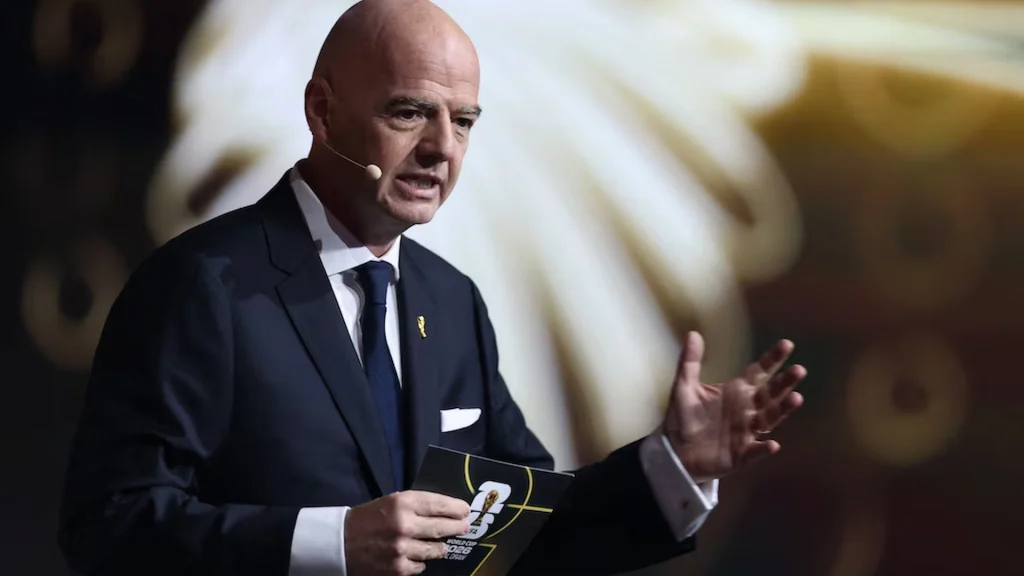
FIFA has confirmed that the organisation has received over 150 million ticket requests for the upcoming FIFA World Cup 2026 during the current ticketing phase. The figures released highlight an unprecedented demand for the event that is only met with a limited supply of tickets. This has provoked a debate on pricing, access and the impact on football fans in general worldwide.
Record Demand During Ticketing Phase
Record Demand During Ticketing PhaseFIFA reported that the total number of ticket requests currently stands at over 150 million, which corresponds to the Random Selection Draw phase of the ticket sales that started on 11 December 2025 and will continue until 13 January 2026. This figure covers the applications of fans coming from more than 200 countries and thus this sales stage is oversubscribed by a factor of more than 30 compared to the 67 million tickets that are approximately available in the current round.
Read More: Victor Osimhen and Sadio Mané Shine as Nigeria Qualifies and Senegal Draw in AFCON
Pricing, Availability and Access

The demand for tickets is very high though the ticket pricing has been criticised by fan groups and supporter organisations who maintain that the cost of attending matches is too high for average supporters. As a result, FIFA launched a new ticket category, the Supporter Entry Tier, intending to make it possible for fans of qualified teams to follow the tournament with tickets priced at USD 60.
Global Impact and Wider Context
Global Impact and Wider Context The incredible demand for World Cup tickets reveals the importance and influence of the tournament. The 2026 edition will be a landmark as the first to have 48 teams, a major expansion compared to the previous formats. The competition will be held from 11 June to 19 July 2026 in multiple venues across the three host countries. Infantino and other FIFA officials have stated that the money made from ticket sales will be used to support football development in different parts of the world through investments in infrastructure, grassroots programmes and competitions across all member associations. They argue that the provision of such financial aid is a necessary condition for the continuation of the sport in over 200 countries.